.svg)

Blogs
The Trust Layer of CX: Why Trust Will Define the Next Era of Customer Experience
May 25, 2026

.svg)
.svg)



Blogs
.jpg)
Divagaar Siva


You receive a notification from your bank saying a suspicious transaction has been blocked automatically. A few seconds later, another message appears asking you to verify the payment attempt. The system protected your account before you even noticed the issue.
But another question quietly appears in your mind.
“How much decision-making am I comfortable handing over to AI?”
That question is becoming increasingly important in customer experience.
As AI systems become more predictive, autonomous, and embedded into daily interactions, trust is quietly becoming the layer that determines whether customers embrace these experiences or resist them.
Welcome to the next phase of CX.
The Trust Layer of CX.
Customer experience has steadily evolved toward lower friction and greater automation. Systems can now anticipate issues, recommend actions, and increasingly resolve problems independently.
But the more invisible these systems become, the more customers begin asking deeper questions:
Recent AI trust research shows 73% of customers want to know when they are interacting with AI, 71% believe human oversight should still exist for AI-generated outcomes and 62% of Asia Pacific security leaders say customers remain cautious about AI adoption due to security and privacy concerns
The implication is clear. Customers may appreciate intelligent experiences, but they still want reassurance, transparency, and control.
Southeast Asia’s digital economy is moving quickly toward AI-enabled experiences. Superapps, digital wallets, e-commerce ecosystems, and embedded financial services are becoming deeply integrated into daily life. At the same time, trust expectations are rising alongside fraud concerns, AI-generated scams, and growing awareness around data privacy.
This creates a new challenge for CX leaders. The question is no longer only about delivering faster experiences. It is about designing experiences customers feel safe relying on.
.jpg)
DBS has publicly positioned itself as an AI-driven bank while placing strong emphasis on scam prevention and customer protection. In recent scam intervention cases, AI systems combined with rapid human escalation helped detect and stop suspicious transactions before customers lost money. The important point is not just the automation itself. It is the combination of automation, visibility, and reassurance that strengthens customer trust.
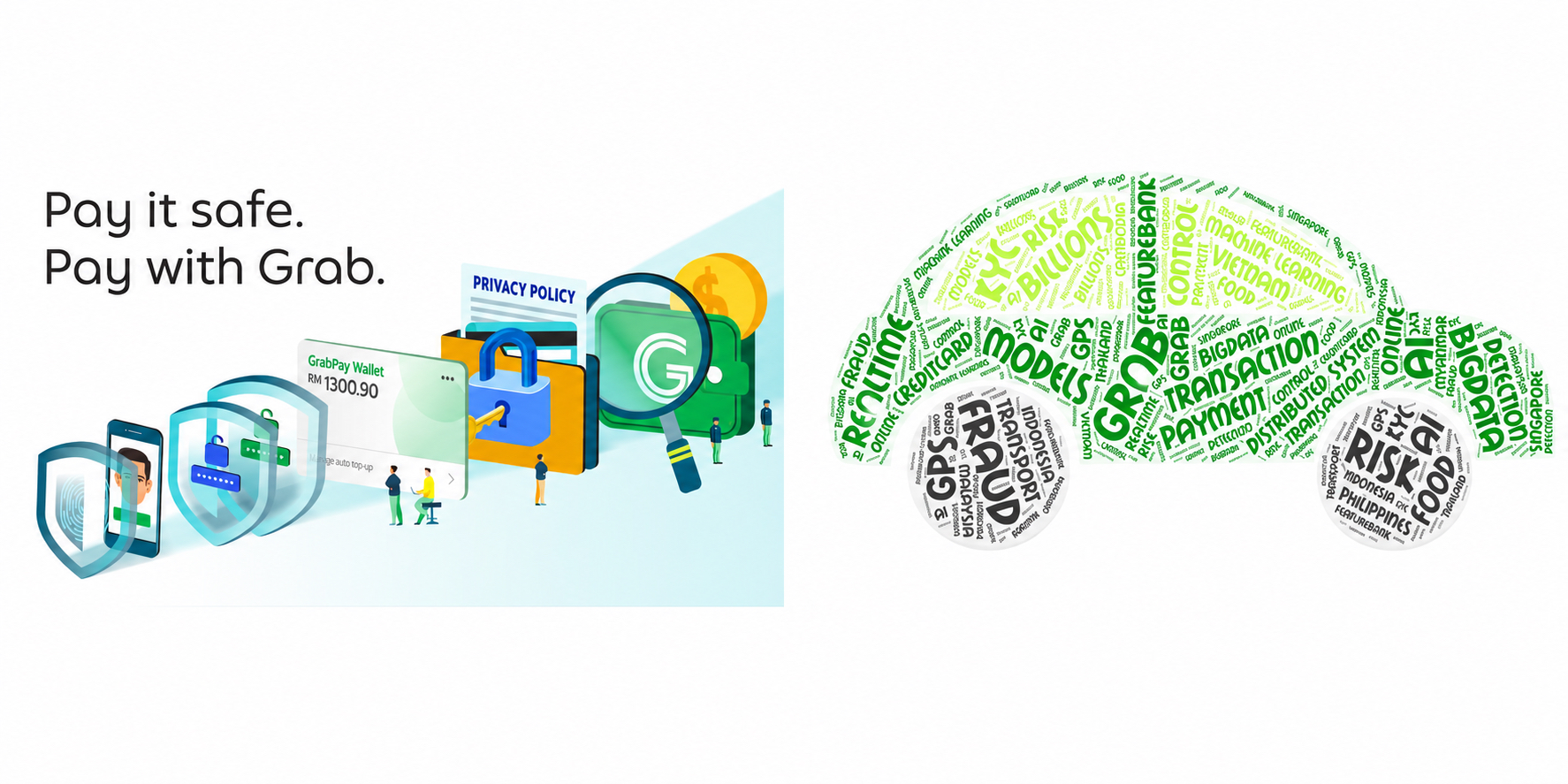
Platforms like Grab increasingly operate as trust ecosystems. Identity signals, payment behaviour, verification systems, and transaction history work together to build confidence between users, merchants, and drivers.
As trust becomes more central to CX, traditional metrics alone are no longer enough.
New trust-oriented indicators are beginning to emerge:
ASEAN-focused service research shows organisations are increasingly prioritising explainability, governance, and AI transparency as part of CX strategy.
The next phase of CX will not be shaped only by smarter AI models or more automation. It will be shaped by how confidently organisations build trust into those systems.
For CX leaders, three areas matter most:
Customer experience has steadily moved toward lower friction and greater autonomy.
Silent CX reduced effort.
Agentic CX introduced action.
Predictive CX enabled anticipation.
Autonomous CX enabled independent resolution.
But none of these shifts scale sustainably without trust. Customers may eventually accept AI systems handling payments, bookings, recommendations, and support interactions on their behalf. But only if they trust the systems behind them.
And in the next chapter of customer experience, that trust may become the most important differentiator of all.

.svg)






.svg)
