.svg)

Blogs
The Memory Layer of CX: Why Great Experiences Start with Remembering Customers
July 3, 2026

.svg)
.svg)



Blogs
.jpg)
Divagaar Siva


It’s a sunny day in Kuala Lumpur. You contact customer support about a delayed order. The first thing the agent asks.
“Can you explain the issue again?"
You already explained it yesterday. The channel works. The agent is polite. The response is quick. Yet the experience still feels frustrating. Because the company remembered the order. But it did not remember you.
Welcome to the Memory Layer of CX.
Customer experience has spent years becoming faster, smarter, and more personalised. Yet one of the most common frustrations remains surprisingly simple. Customers still have to repeat themselves.
Whether it is a contact centre, banking app, airline, or e-commerce platform, customers expect organisations to remember their preferences, history, and previous interactions.
The challenge is no longer collecting customer data. Most organisations already have it. The problem is that customer information often sits across disconnected systems, making it difficult to carry context from one interaction to the next. When context is lost, customers end up repeating themselves.
Southeast Asia is one of the world's most connected digital regions. Customers move seamlessly between super apps, digital wallets, airlines, e-commerce platforms, and customer service channels. Every interaction creates context.
The problem is that many organisations still treat each interaction as a separate event. Without memory, omnichannel experiences become fragmented. With memory, experiences become continuous. That difference can determine whether a customer feels recognised or forgotten.
The "Memory Layer" is no longer just a database feature as it is the engine of continuity that prevents customers from having to "repeat the story." These Southeast Asian leaders are effectively deploying context-aware systems to ensure that customer history informs every future interaction.
DBS Bank (Singapore)

DBS has industrialized AI across its operations, embedding "Agentic AI" that actively manages customer journeys. Their "Intelligent Banking" platform now uses advanced predictive models that go beyond simple transaction history, incorporating behavioural and location data to generate hyper-personalized nudges that anticipate a customer's specific life stage, whether they are a parent, pet owner, or frequent traveller, without requiring manual input.
Grab (Regional)
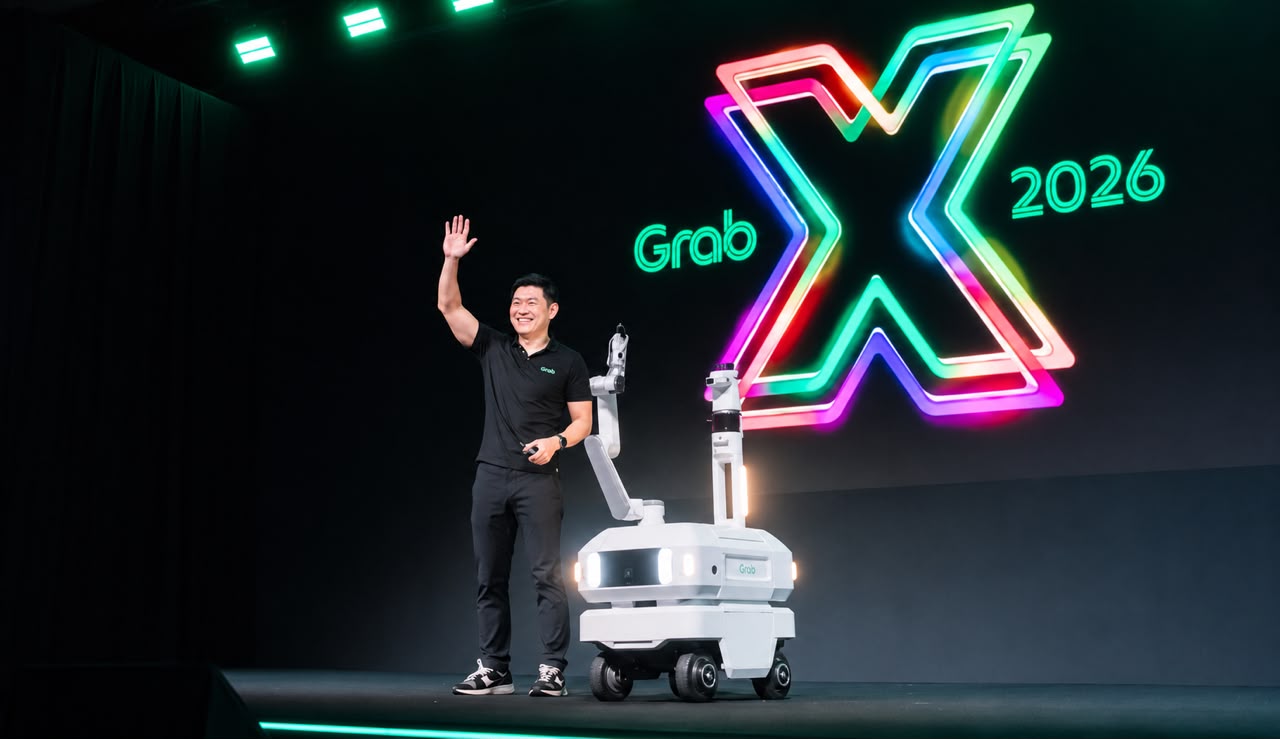
The new "Grab Intelligence Layer" serves as the platform's core memory, fuelling 13 new AI-powered experiences. By synthesizing insights from over 20 billion rides and orders, the system now autonomously predicts user destinations and travel needs, effectively acting as an "Intelligent Everyday Guide" that remembers context across mobility, food, and travel to reduce the user's cognitive load.
Shopee (Regional)
.jpeg)
Shopee algorithm has fundamentally shifted toward "Interest & Scenario-Based Ranking", which acts as a dynamic memory of a user’s shopping intent. Instead of static product lists, the platform now uses real-time signals from browsing behaviour, high-intent add-to-cart patterns, and engagement metrics to "remember" a user's evolving style and price sensitivity, surfacing products that match their current life scenario rather than their past search queries.
Singtel (Singapore)
.jpeg)
Singtel has accelerated its multi-year AI transformation program, embedding agentic AI across all customer-facing touchpoints. Their new unified customer platforms utilize AI to provide agents with real-time, context-aware assistance, ensuring that a user’s service history, technical queries, and network preferences are synchronized instantly across all channels, successfully eliminating the "repeat explanation" syndrome during support interactions.
As memory becomes a competitive advantage, organisations may need to rethink what they measure. Beyond CSAT and response times, new indicators may include:
The objective is not remembering everything but remembering the right things at the right moments.
For CX leaders, memory is no longer a technology conversation alone. It is an experience design challenge. Three priorities stand out:
Memory without relevance feels intrusive. Memory with relevance feels helpful. That distinction will become increasingly important as AI-powered experiences scale.
The strongest customer experiences are often the simplest. They make customers feel recognised. Not because the company knows everything, but because it remembers enough to make the next interaction easier.
Customer experience has become more silent, more agentic, more predictive, more autonomous and increasingly, more trust-driven.
The next step is ensuring those experiences remember who the customer is because in the future of CX, being remembered may matter just as much as being served.

.svg)



.jpg)


.svg)
