.svg)

Blogs
The Cignetti Blueprint: Why the "Connected CEO" Must Exit the Emergency Room
February 25, 2026

.svg)
.svg)


Blogs

Manoj Menon


I recently returned from an exhilarating trip to Silicon Valley. The air there is thick with one word: AI. Disruption is no longer a future threat; it is a market-wide obsession. I saw investors scrambling, taking aggressive positions or dumping legacy stocks as they try to pick the winners of this intelligence revolution.
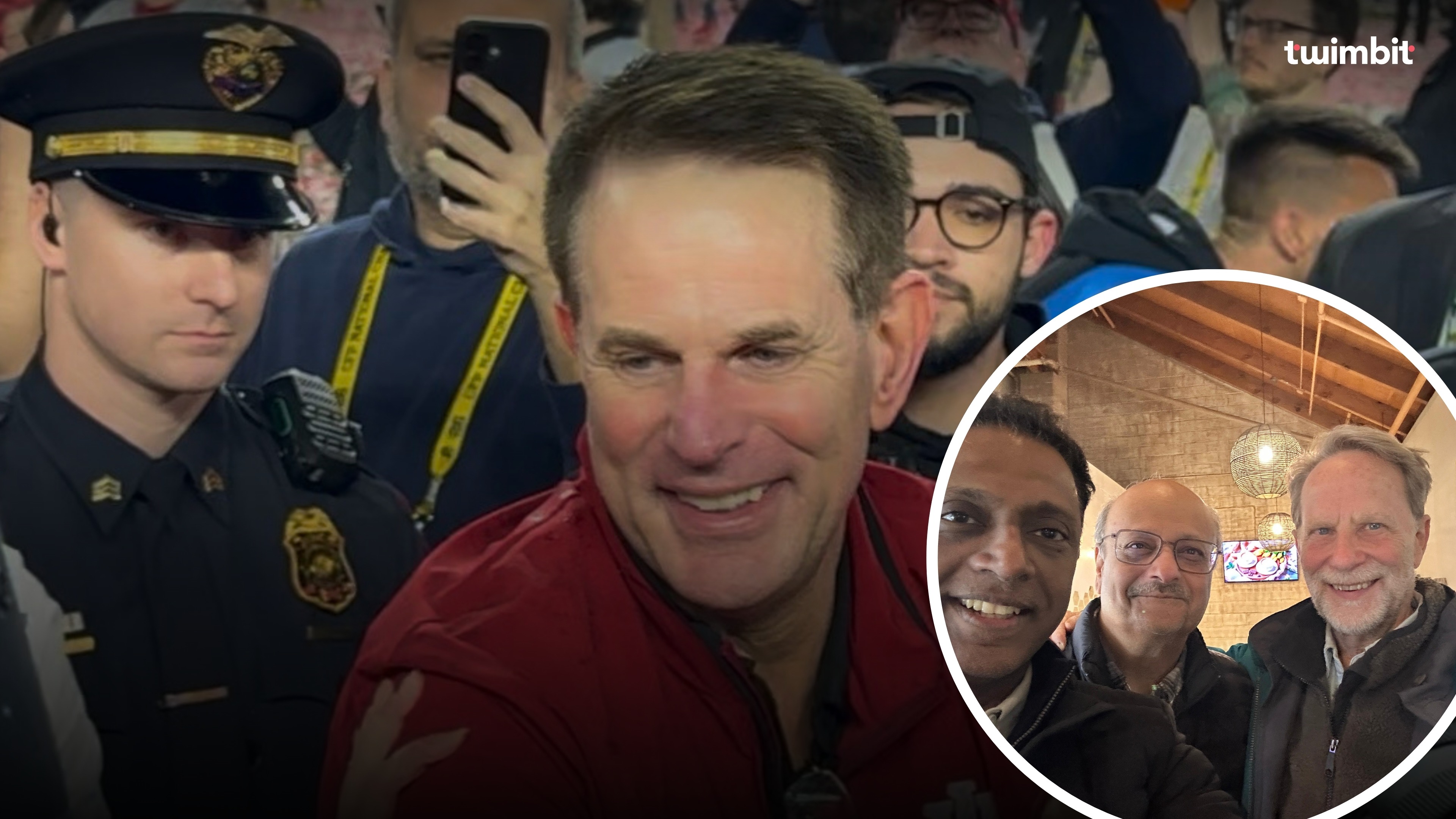
It was against this backdrop of high-stakes urgency that I sat down for coffee with David Frigstad, Chairman of Frost & Sullivan, and Aroop Zutshi (Global President). We began discussing the impossible challenges facing global leaders today and the immense opportunity for those who can cut through the noise.
One central theme emerged: The "Emergency Room" Syndrome.
Despite the prestige of the corner office, the reality for most CEOs is a 24/7 cycle of randomized adrenaline. We are hijacked by "urgent" fires—legal battles, PR crises, or operational drift—leaving us zero time for the Growth Opportunities that actually define a company's future.
The result is devastating: the average CEO tenure has plummeted to just three years. Most leaders are flying blind, managing via lag indicators. In the absence of real-time data, the loudest voice in the boardroom wins, and that voice usually wants a change in leadership.
To find a way out, our conversation turned to the world of sports. The name Curt Cignetti came up.
Cignetti's success is nothing short of a "stress test on reality." In 2024, his first year at Indiana University, he took a program with the most losses in college football history, the "Spirit Airlines" of the league, and engineered an 11-2 season and a playoff berth. By 2025, he had led them to a perfect 16-0 season and a National Championship.
He didn't ask for a "rebuilding year." He installed a rigid, battle-tested "Blueprint" that values Production over Potential. Here are the three pillars of that blueprint for the modern, "Connected CEO."
1. The "Google Me" Doctrine: Lead with Evidence
When Cignetti took over at Indiana, he didn't offer a vague five-year plan. He told the room: "I win. Google me." He replaced theoretical potential with a proven track record.
The Insight: Quarterly reporting is a post-mortem. If your stakeholders only hear from you once every 90 days, you've already lost the narrative.
The Action: Shift from reporting on what happened to demonstrating progress towards the vision in real-time. Be the Chief Storyteller, but ensure your story is grounded in 1s and 0s. If the Board can't see your transformation as a living project, they will assume it's stuck.
2. Wage War on Complacency: Segment the Work
Cignetti's blueprint is a "tenacious battle against complacency." He understands you cannot eliminate the "Emergency Room" entirely, but you can prevent it from consuming the whole hospital.
The Insight: We often ask the entire team to "transform" while they are still struggling to hit monthly targets. This creates chaos and burnout.
The Action: Bifurcate your leadership. Senior leaders must own the transformation, the new AI bets and strategic pivots. Let the rest of the team focus on delivery and hitting the numbers. As CEO, protect your time. Dedicate 50% of your day to your "Growth Opportunity List." If you are only fire-fighting, you are an overpaid janitor, not a leader.
3. Build the "Pancake" Organization: Radical Connectivity
The 20th-century pyramid, where information filters through layers of middle management, is now a liability. It is simply too slow for the pace of the AI era. Cignetti discarded the tradition of team captains because he expects everyone to lead.
The Insight: The "Secretive Sovereign" model is dead. Connectivity is the new currency of leadership.
The Action: Pivot from a pyramid to a "Pancake," a flat, highly connected structure. Use technology to collapse the distance between the office and the front line. AI allows you to maintain direct, data-driven contact with 1,000+ employees simultaneously. When the Board, investors, and staff see the same reality you do, they become partners in your success.
Being in the "Emergency Room" is a choice. You can either continue reacting to chaos until the Board hands you a cardboard box, or you can install a blueprint that values Production over Potential and Transparency over Secrecy.
The era of the "Coach on the Sidelines" has arrived. Like Cignetti, we must move with urgency and reject the "rebuilding" myth. If you can't show the world your plan in real-time, you are likely on a 24-month countdown.
It's time to stop flying blind and start leading "Connected."

.svg)






.svg)
