.svg)

Blogs
The Business of Keeping us Sick
Stop Band-Aiding Disease. Start Fixing the Source.
Stop Band-Aiding Disease. Start Fixing the Source.
April 27, 2026

.svg)
.svg)


Blogs
Stop Band-Aiding Disease. Start Fixing the Source.

Chari TVT


The world is celebrating Ozempic and Mounjaro as breakthroughs. Billions have changed hands. And yet the blunt question yields an uncomfortable answer: these drugs do not cure obesity. They suppress appetite signals. Stop taking them and the weight returns. We have not fixed anything. We have rented a solution.
The legal system is beginning to ask the questions the medical establishment has avoided. As of April 2026, over 3,500 lawsuits have been consolidated against Novo Nordisk, the maker of Ozempic, in federal multidistrict litigation in Pennsylvania, with projected liability exceeding USD 2 billion. Plaintiffs allege the company failed to adequately warn patients of severe side effects including stomach paralysis, permanent vision loss, and bowel obstruction. No global settlement has been reached. The cases are still building. What began as a celebrated blockbuster drug is now also one of the largest pharmaceutical mass torts in recent history.
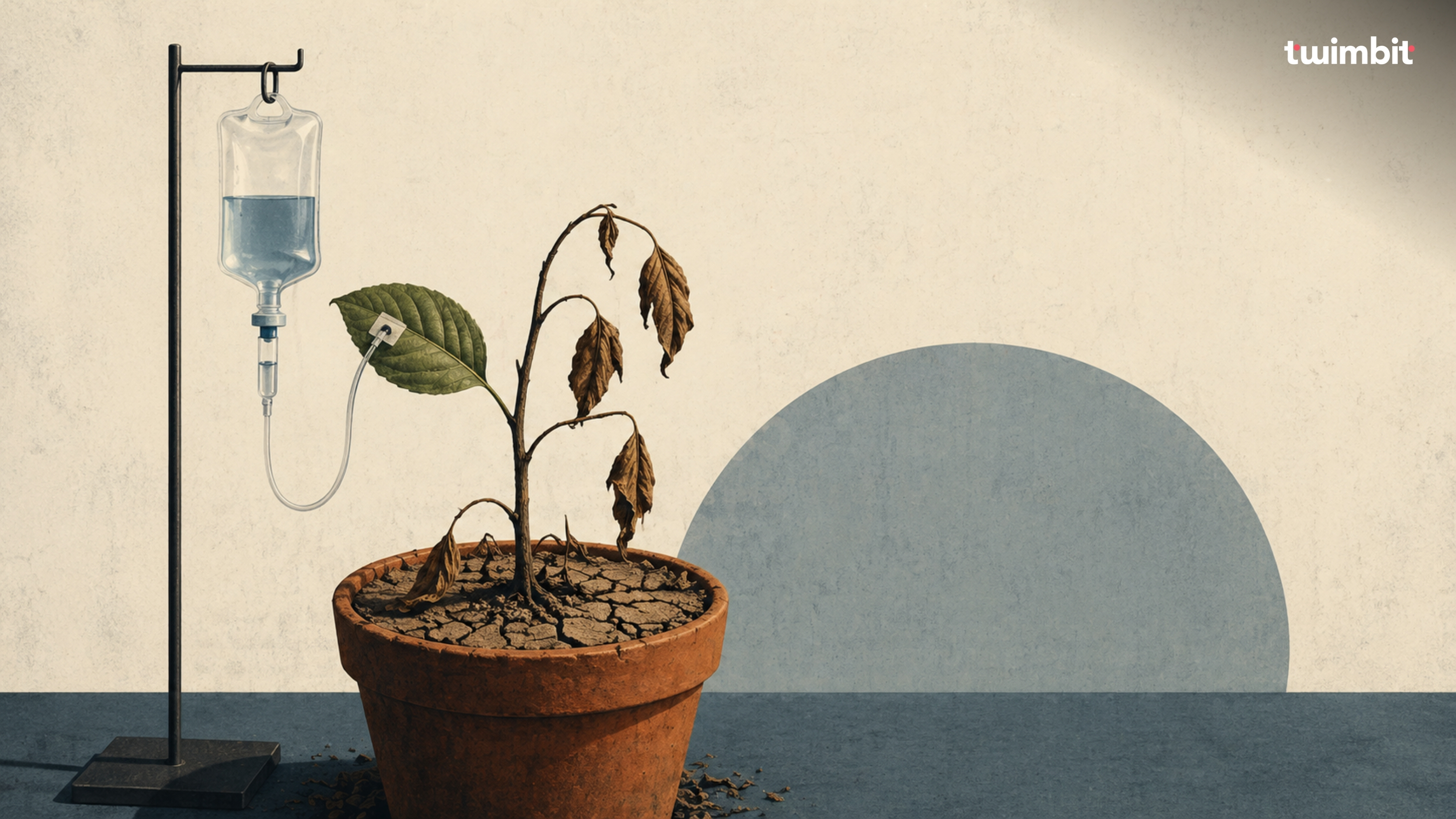
This is the defining habit of modern medicine. We are extraordinarily good at managing symptoms. We are far less interested in eliminating root causes. And as long as patients keep taking pills and shareholders keep smiling, the incentive to do the harder work of fixing origins stays minimal.
Cure the Cause. Kill the Cash Cow.
The pattern runs across medicine. Blood thinners for cardiovascular disease do not remove arterial plaque. They manage clotting risk in a system that remains broken. Insulin for Type 2 diabetes replaces a failing output without addressing the insulin resistance driving it. SSRIs increase serotonin availability without asking why regulation failed in the first place. PPIs suppress stomach acid without correcting the gut dysfunction causing reflux. RA biologics quieten an immune system attacking joint tissue without identifying what provoked the attack.
Most damning of all: after decades and billions spent on amyloid-clearing Alzheimer's drugs, the field is slowly conceding that amyloid plaques may be a symptom, not the cause. We spent thirty years targeting the wrong thing because we confused a biomarker with a mechanism.
In each case, the pattern is the same. A complex, multi-variable breakdown in the body is met with a single lever intervention that manages one signal while leaving the underlying system broken. The patient is stabilised. The condition is never resolved.
The same regulatory architecture designed to protect public health is actively subsidising the perpetuation of disease. Under current patent law, a drug that manages your symptoms for twenty years receives identical intellectual property protection to one that eliminates the underlying condition entirely. In practice, the symptom manager is more commercially attractive because it guarantees a longer revenue runway. Ozempic costs over USD 900 per month in the United States. That price does not reflect the cost of production. It reflects monopoly protection on a product that does not fix the problem.
The reform is not radical. It is logical. Patents should be tiered by therapeutic depth. A therapy that demonstrates durable root-cause resolution, where the disease does not return when treatment ends, earns maximum exclusivity and accelerated approval. A therapy that manages symptoms without addressing origin earns shorter exclusivity, faster generic transition, and no premium pricing power. Fix the pipe, earn the premium. Adjust the water flow, earn a commodity price. This single structural change would redirect billions in private R&D capital toward the problems that actually matter.
If a drug requires you to take it forever, it should be priced like a generic. Because medically, that is exactly what it is.
The FDA exists to protect public health. That mandate has been hollowed out by industry lobbying, accelerated approval pathways that prioritise speed over evidence, and a user fee system where the regulated industry funds a significant portion of the regulator's budget. The result is a regulator structurally closer to its industry than to its patients.
A reformed FDA would create a two-tier classification system. Tier One therapies address root cause, demonstrate durable remission, and receive priority review and full regulatory endorsement. Tier Two therapies manage symptoms, are classified and priced accordingly, and carry mandatory patient disclosure that the treatment does not address the underlying condition. The FDA should drive this cultural shift, not merely gate it. Its job is not to protect pharmaceutical revenue. It is to protect the people taking the drugs. Those two objectives are not always the same. When they diverge, there should be no ambiguity about which one wins.
A regulator that protects pharmaceutical profit margins is not a public health agency. It is a trade body with a government logo.
Ozempic is not the villain. Neither are blood thinners, SSRIs, or PPIs. Used in the right context, these drugs reduce suffering and extend lives. The villain is the institutional assumption that managing a condition indefinitely is the same as treating it.
The science is catching up. Genomics, microbiome research, and metabolomics are giving us unprecedented visibility into disease origins. The gap is not knowledge. It is incentive. Research funding bodies should require explicit root-cause hypotheses, not just efficacy claims. Medical education should teach systems biology with the same rigour as pharmacology. And patients should demand an answer to the question physicians rarely volunteer: what is causing this, and is there a path to resolving it?
The next generation of medical breakthroughs should not make pharmaceutical companies richer by making their products indispensable. They should make themselves unnecessary. If the patent, regulatory, and funding architecture will not naturally produce that outcome, we should rebuild it until it does.
The greatest medical achievement is the one that puts itself out of business.
Connect to unlock exclusive insights, smart AI tools, and real connections that spark action.
Schedule a chat to unlock the full experience

.svg)






.svg)
