Introduction
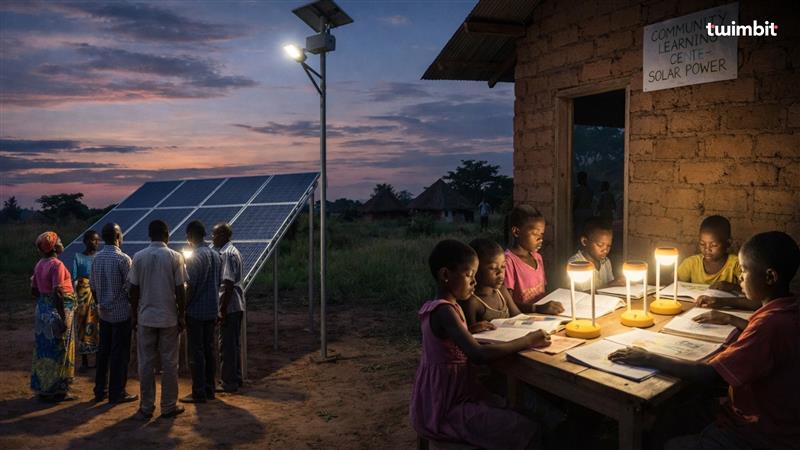
Not long ago, I was in a rural community in Eastern Africa, watching a group of kids huddle around a single kerosene lamp to do their homework. The smoky haze, the dim light, and the determined look in their eyes-it all struck me deeply. In a world where streaming a movie or charging a phone feels routine, nearly 600 million people in Sub-Saharan Africa still live without access to electricity. That’s a staggering 83% of the world’s unelectrified population. It’s not just an inconvenience; it’s a daily struggle that limits dreams and opportunities.
That’s why Mission 300 feels so urgent-and so inspiring. Launched by the World Bank Group (WBG) and the African Development Bank (AfDB), Mission 300 sets out to connect 300 million people in Africa to reliable, affordable, and sustainable electricity by 2030. As of today, the initiative is already sparking real change and building momentum across the continent.
What’s Mission 300 All About?
Mission 300 isn’t just a number-it’s a lifeline. The goal is to halve Africa’s electricity access gap in just four years, transforming lives, economies, and the climate. Here’s how it’s shaping up:
- Ambitious Targets: World Bank will connect 250 million people, African Development Bank another 50 million, all by 2030.
- Collaborative Power: This isn’t a solo act. Mission 300 brings together African governments, the private sector, philanthropies (like The Rockefeller Foundation and Global Energy Alliance for People and Planet), and technical partners such as Sustainable Energy for All (SEforALL) and the World Bank’s ESMAP.
- Smart Solutions: It’s not just about laying wires. Mission 300 combines grid expansion, distributed renewable energy (like mini-grids and solar home systems), policy reforms, utility efficiency, and regional integration.
- Private Investment: Recognizing that development banks can’t do it alone, Mission 300 is mobilizing private capital through innovative de-risking tools and new platforms like Zafiri, which provides patient equity to companies advancing distributed renewables.
The Impact
Let’s talk impact-because this is about more than just numbers:
- For People: Electricity transforms daily life, especially in vulnerable and remote communities. It means safer childbirth, better education, and more time for family and work.
- For Economies: Power means jobs, higher incomes, and new businesses. Africa’s young workforce-the world’s largest by 2030-stands to benefit most.
- For the Planet: By prioritizing renewables, Mission 300 cuts reliance on polluting fuels, protecting forests and improving public health.
How Far Has It Come?
Since the initiative’s launch in April 2024, the progress has been remarkable:
- Already Connected: Over 31 million people in Africa now have electricity thanks to Mission 300 projects-a huge leap in less than two years.
- Flagship Programs: The ASCENT program aims to connect 100 million people in Eastern and Southern Africa, while Nigeria’s DARES project targets 17.5 million Nigerians with clean, off-grid power.
- Milestones: The January 2025 Africa Energy Summit in Dar es Salaam was a turning point. African leaders endorsed the Dar es Salaam Energy Declaration, setting out bold reforms and launching National Energy Compacts in 12 countries (with 17 more joining by September 2025).
- Money Matters: Partners have pledged more than $50 billion, including $30 billion from World Bank IDA resources, with additional support from development finance institutions like AFD and AIIB.
Lighting the Way Forward
We are now just four years away from 2030. The urgency is real, but so is the momentum. Mission 300’s public Progress Portal lets anyone track connections, financing, and results, keeping everyone accountable and informed.
But this isn’t just a story of big institutions and government summits. It’s about everyday people-like those kids I met in Eastern Africa-getting a real shot at a brighter future.
Join the Conversation
I’d love to hear your thoughts: What's standing between us and this ambitious target—are we on track, or are bottlenecks slowing us down? What would reliable electricity mean for your community? Have you seen the difference it can make? Share your stories, ideas, and hopes below. Let’s keep the conversation going-and help light up Africa’s future, one connection at a time!
Let’s connect and shape this future together! 🌊
.svg)


.svg)
.svg)




.svg)




.svg)
