In today's dynamic digital landscape, Software as a Service (SaaS) has emerged as a game-changer for businesses, offering scalable solutions without the hassle of managing complex infrastructure. But what exactly is SaaS, and why do we need it? This comprehensive guide'll delve into the essence of SaaS, explore its architecture, and unravel the key considerations for implementing a robust SaaS solution.
Why SaaS?
The traditional model of software deployment often comes with hefty upfront costs, maintenance headaches, and scalability limitations. This is where Software as a Service (SaaS) shines. SaaS offers a compelling alternative, delivering software applications over the internet in a subscription-based model. This reduces upfront expenses and provides seamless scalability, automatic updates, and enhanced accessibility.
Here's why SaaS is rapidly becoming the go-to choice for businesses of all sizes:
Reduced Costs: SaaS eliminates the upfront investment required for traditional software licenses and eliminates the need for expensive hardware and IT infrastructure. Subscription fees are typically lower, and the provider handles maintenance costs.
Scalability: SaaS applications can easily scale up or down based on your needs. No more worrying about overspending on unused software or struggling with insufficient capacity during growth spurts.
Automatic Updates: SaaS providers handle updates and security patches, ensuring you're always using the latest version with improved features and security fixes.
Accessibility: SaaS applications are accessible from anywhere with an internet connection and a compatible device. This empowers your workforce with remote working capabilities and improved collaboration.
Ease of Use: SaaS solutions are typically web-based and user-friendly, requiring minimal training for your team. This reduces the burden on your IT department and gets your team up and running quickly.
Building Your SaaS Empire: Architectural Considerations
Now that we understand the benefits of SaaS, let's delve into the world of building your own SaaS application. The architecture you choose forms the foundation of your application, impacting scalability, security, and performance. Here are the key architectural approaches for SaaS
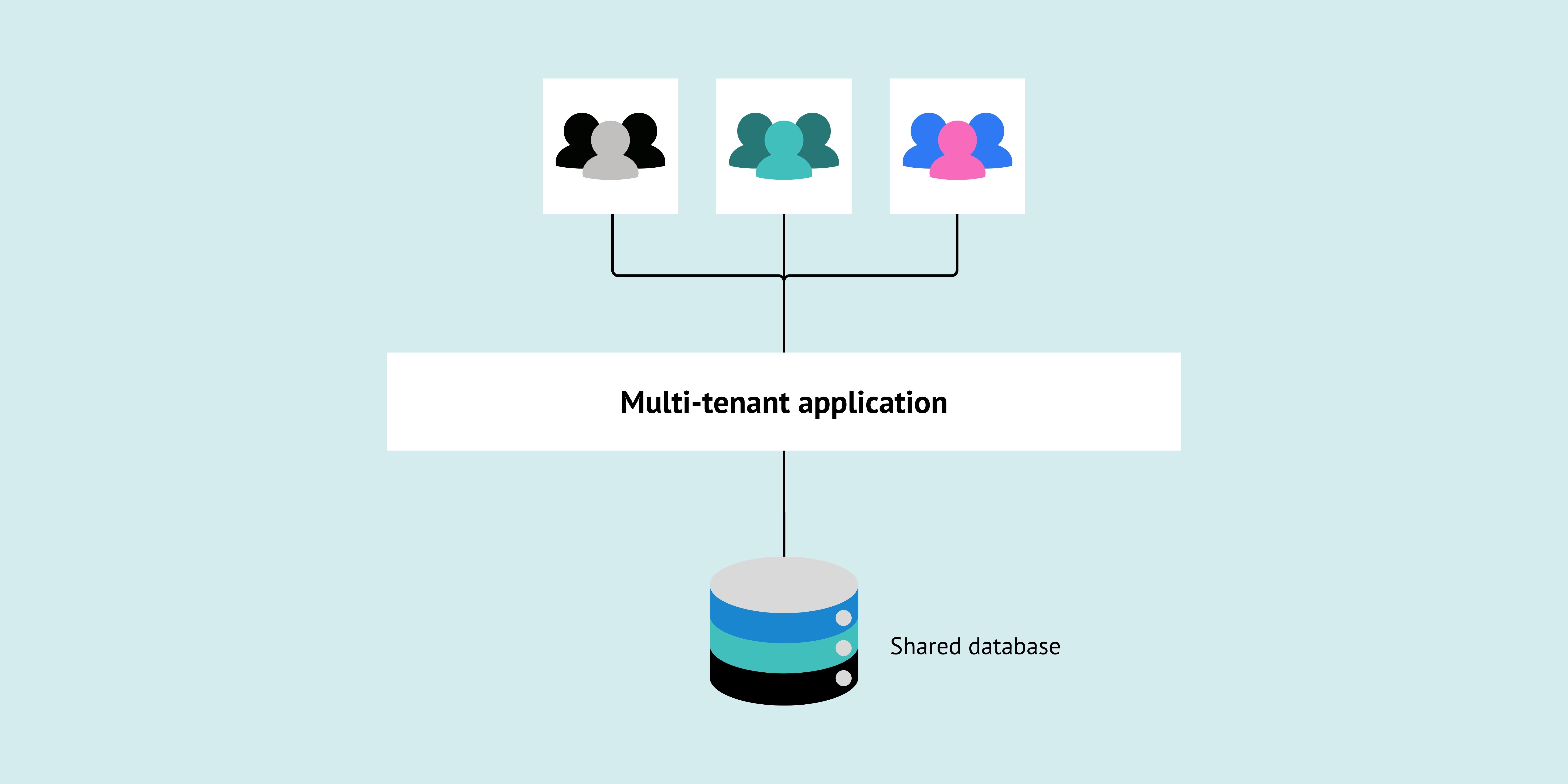
1. Multi-tenant Architecture:
The most common and cost-effective approach. A single codebase and infrastructure serve multiple tenants (customers). Data isolation techniques like schema isolation or database sharding ensure tenant data remains separate and secure.
Benefits:
Cost efficiency: Resource sharing reduces infrastructure and maintenance costs.
Scalable: Easily accommodates a growing user base.
Faster Development and Deployment: New features are rolled out to all tenants simultaneously.
Challenges:
Data Isolation Complexity: Guaranteeing complete data separation requires meticulous design and implementation.
Upgrades and Maintenance: Rollouts can affect all tenants simultaneously.
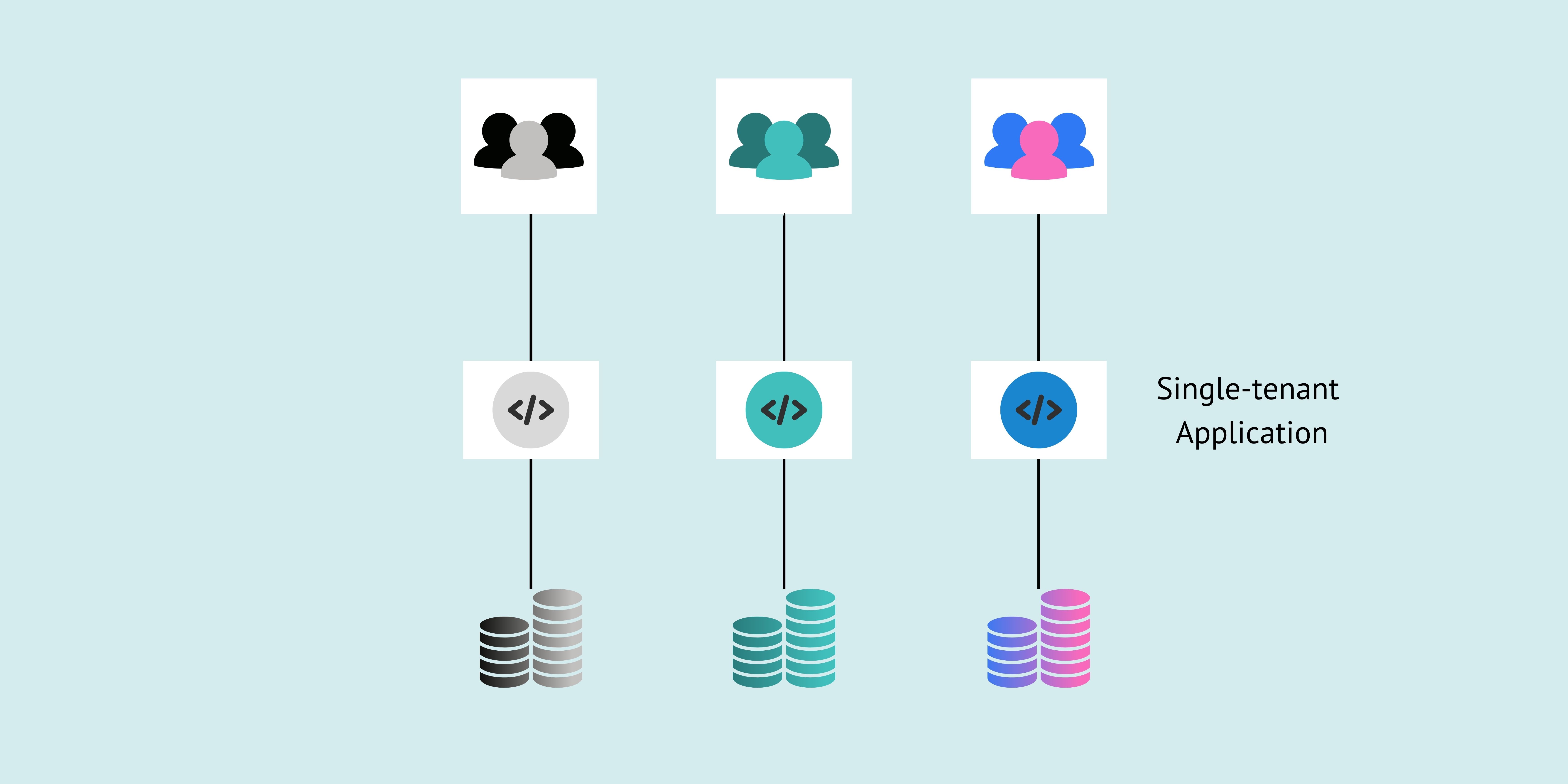
2. Single-tenant Architecture:
Each tenant has its dedicated application instance and infrastructure. This offers the highest level of customization and control but comes at a higher cost.
Benefits:
Unparalleled Data Isolation: Each tenant has complete control over its data, eliminating data breach concerns.
Customization: Tenants can tailor the application to their specific needs.
Challenges:
Increased Cost: Maintaining separate instances is resource-intensive.
Slower Development and Deployment: Changes need individual deployment for each tenant instance.
Scalability: Scaling involves adding resources for each new tenant.
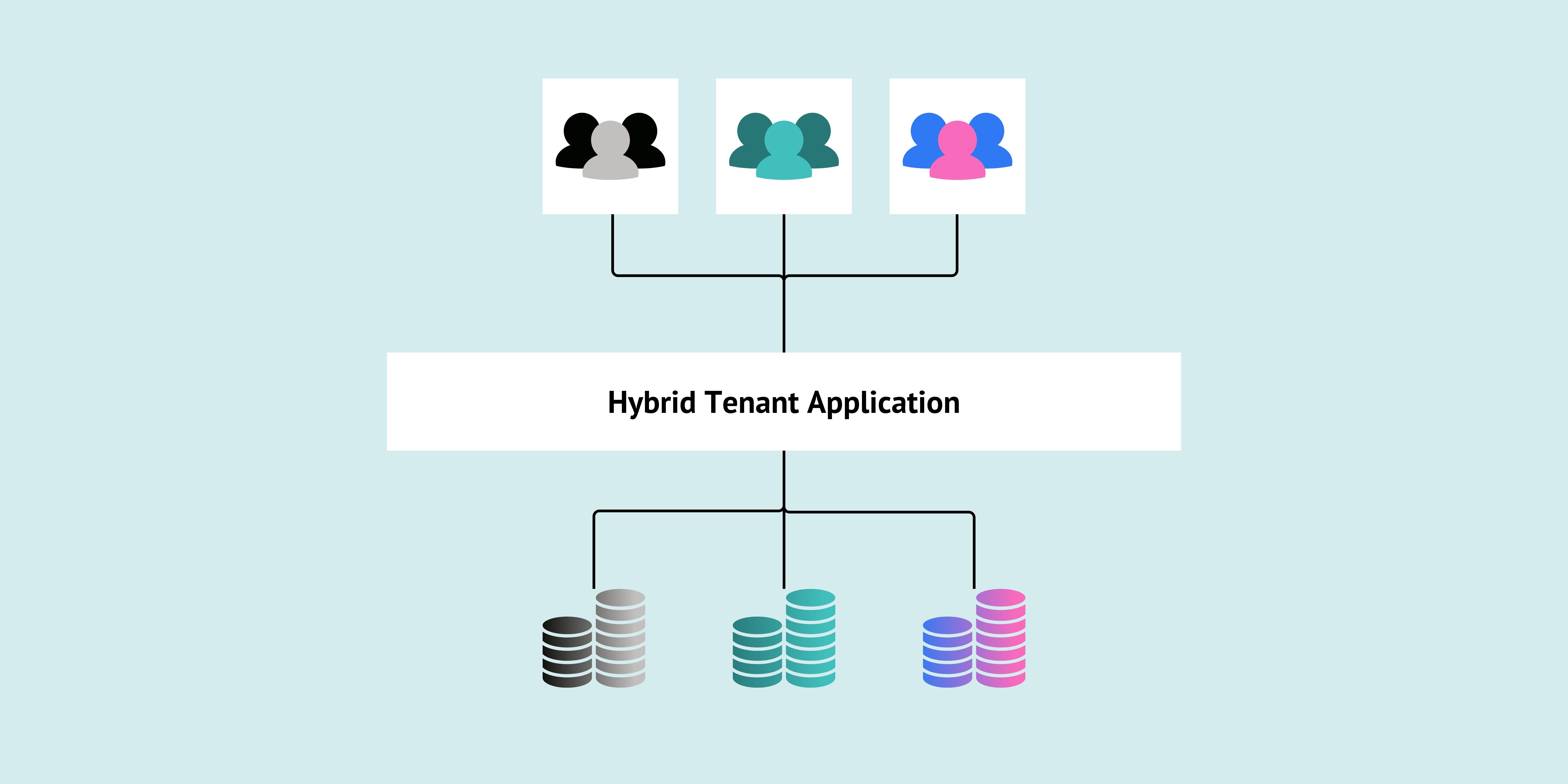
3. Hybrid Architecture:
A blend of multi-tenant and single-tenant approaches. The core application logic might be multi-tenant, while specific components or data can be single-tenant for enhanced customization.
Benefits:
Cost-Customization Balance: Provides a balance between affordability and tenant-specific needs.
Flexibility: Allows for tailored solutions based on individual tenant requirements.
Challenges:
Increased Complexity: Managing this architecture requires more planning and coordination.
Potential Data Isolation Concerns: Careful design is crucial for single-tenant components.
Choosing the Right Architectural Fit
While designing the architecture for a SaaS application, several factors must be carefully considered to meet the unique requirements of the business and its users
Number of Tenants: Multi-tenant is generally preferable for a large user base where customization is not of much concern.
Customization Needs: Single-tenant caters better for highly customized requirements.
Budget and Scalability Goals: Cost and scalability needs should be carefully considered.
Additional Considerations:
Microservices Architecture: Breaking down the application into independent, smaller services improves scalability and maintainability. This approach can be implemented with any of the above architectures.
API-driven Architecture: Exposing functionalities through APIs allows easier integration with third-party applications and services.
By understanding the "whys" and "hows" of SaaS architecture, we can make informed decisions for building a robust and scalable SaaS application that caters to specific business needs. Remember, the chosen architecture is pivotal to your SaaS application's success. Choose wisely!
.svg)


.svg)
.svg)



.svg)




.svg)
