.svg)
Twimbit X
What Happens the Day a Better Model Ships?
August 13, 2026

.svg)
.svg)


Join 6000+ industry executives who trust us.
Join 6000+ industry executives who trust us.

William Kiong Wai Lun


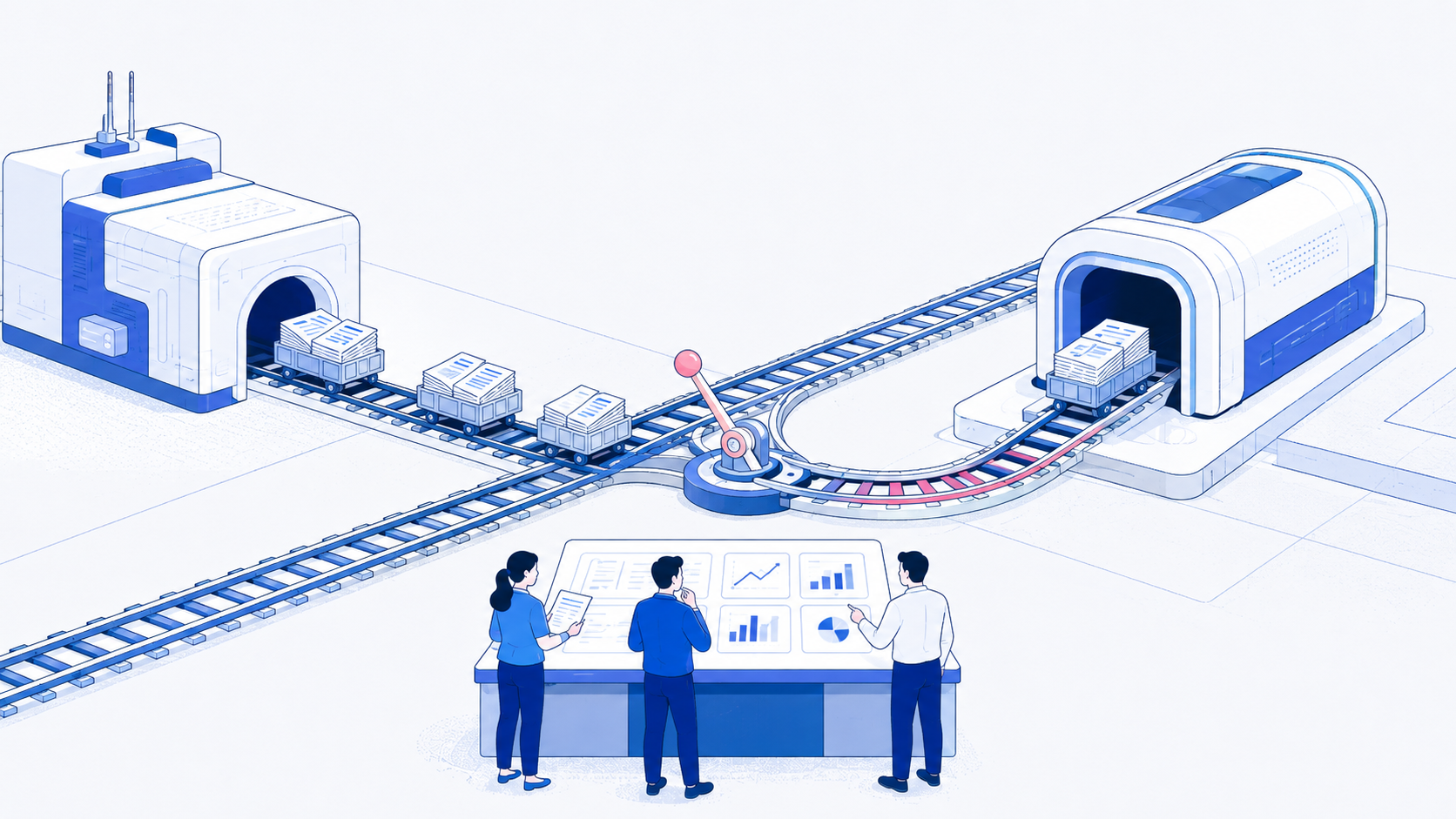
Your team picked an AI tool. Someone compared the options, ran a pilot, made a call. That was six months ago.
In July alone, OpenAI cut the price of a model it had launched three weeks earlier, Anthropic released Claude Opus 5, and Google shipped a new Gemini tier.
Three labs. One month. If your team re-ran that comparison today, the shortlist would look different, and so would the winner.
Capability per dollar has improved roughly 90% since 2023, and it keeps moving. The gains land in places your team would actually notice.
Context windows are the clearest example. Leading models now hold one to two million tokens in a single session. A year ago, reviewing a quarter of call transcripts or a full case study library meant breaking the work into pieces. Now it fits in one pass.
The problem shows up when a team can only act on that by starting over: new tool, new rollout, new habits to unlearn.
Most leaders already sense this. In a 2026 enterprise survey, 81% said they were concerned about depending on a single AI provider. Only 6% believed they could switch without real disruption.
Almost every leader in that survey already knows the risk. Few have measured it. The harder question is how much of your team's daily work is quietly built around one model's specific habits.
A vendor comparison document won't show you that number. The day a better model ships will.
Here is what that day can look like, if you're ready for it.
First, get a straight answer from one team. Ask them plainly: if this tool disappeared tomorrow, what would break? Most leaders haven't asked, which is exactly the gap the survey above points to.
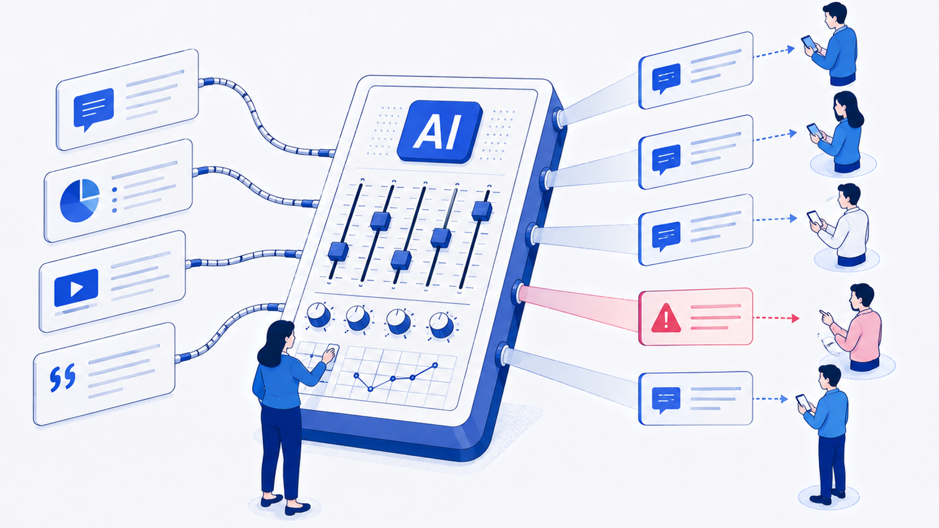
Second, test before you commit. Take one real task your team already does every week, a call summary, a campaign brief, a sales deck, and run it through the new model alongside the old one.
A bad test costs an hour. A bad switch costs a quarter.
Third, decide on evidence, not excitement. If the new model is clearly better for that task, move that one workflow over. You don't need a full switch to benefit from a better model, you need the one place it helps most.
That's what separates a team that reacts to a better model from one that rebuilds its whole stack every time one shows up.
With Twimbit X, we build tools that help teams expand what they're capable of, not just how fast they move. The goal is to expand what your team can credibly handle. If this sparked an idea, let’s explore it together. Reach out to see how Twimbit X can help your team raise its own ceiling.
Book a call
.svg)



.svg)
