Twimbit X
Three questions for any AI launch
November 26, 2026


Join 6000+ industry executives who trust us.
Join 6000+ industry executives who trust us.

Varnika Goel


Every launch promises to change your work. Three questions show whether it changes the part that matters.

It is Monday morning and your inbox is full of launch alerts, each calling itself a breakthrough. One announces an agent that writes your team’s proposals in minutes, work your team does every week. By Friday most will be forgotten, and you will have learned almost nothing about your own team from any of them.
That happens because an announcement tells you what a product can do, while you need to know what changes for your people. Three questions close that gap, and you can remember them as the hands, the bill and the signature. In that order, they ask who does the work, what it costs, and who answers for the result.
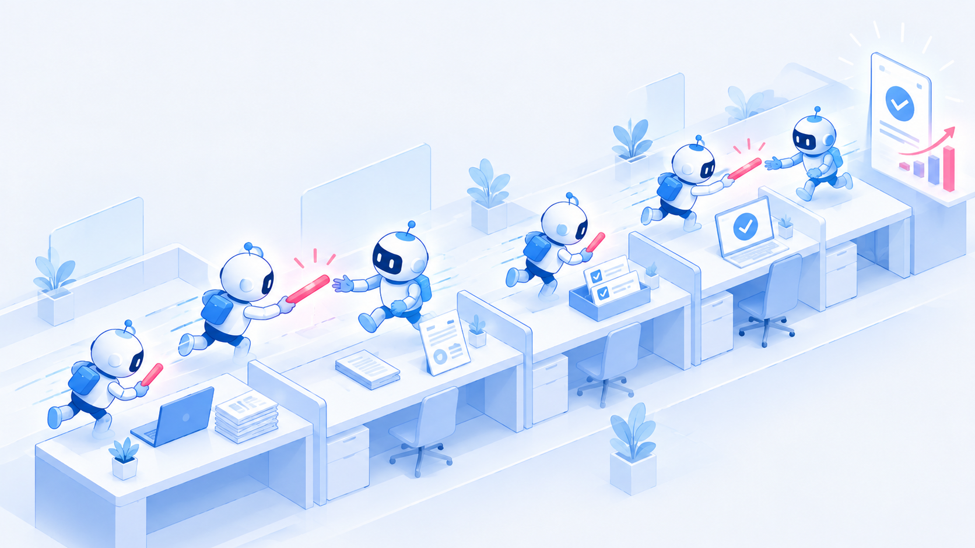
The hands come first, because a launch usually moves the doing somewhere new while the knowing stays with your people. The data platform Databricks showed this last week when it opened a public beta of an agent that investigates problems in data pipelines and proposes fixes for a person to review. Over half the issues in its private preview needed knowledge specific to the customer’s organisation to resolve.
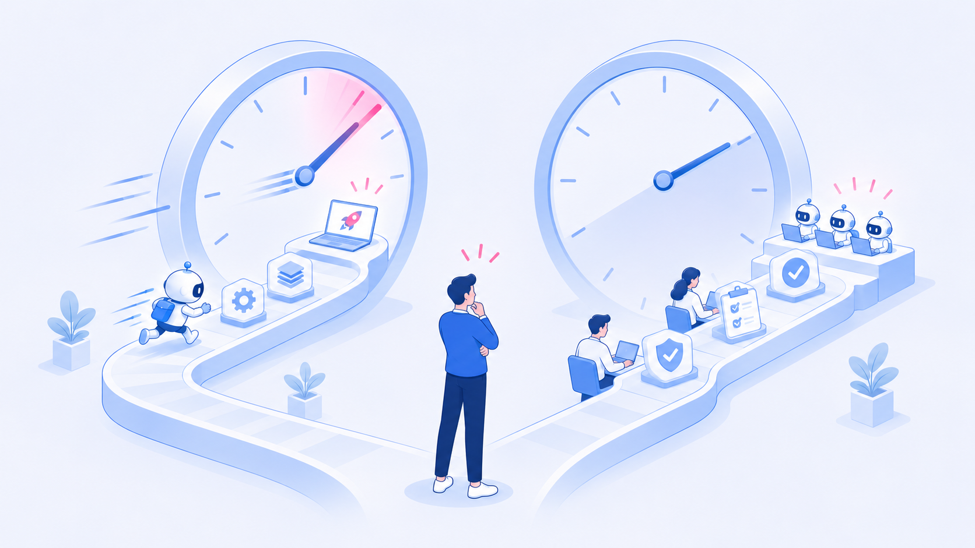
A sharper test is whether the work a launch takes over was what slowed your team down. Monday’s proposal agent drafts in minutes, which helps little when proposals wait on legal review anyway.
The bill comes next, and the vendor’s slide shows only half of it. It lists the time saved per task, while the time spent supplying context and checking results lands on your team’s calendar. Until you can estimate both, the price remains a guess.
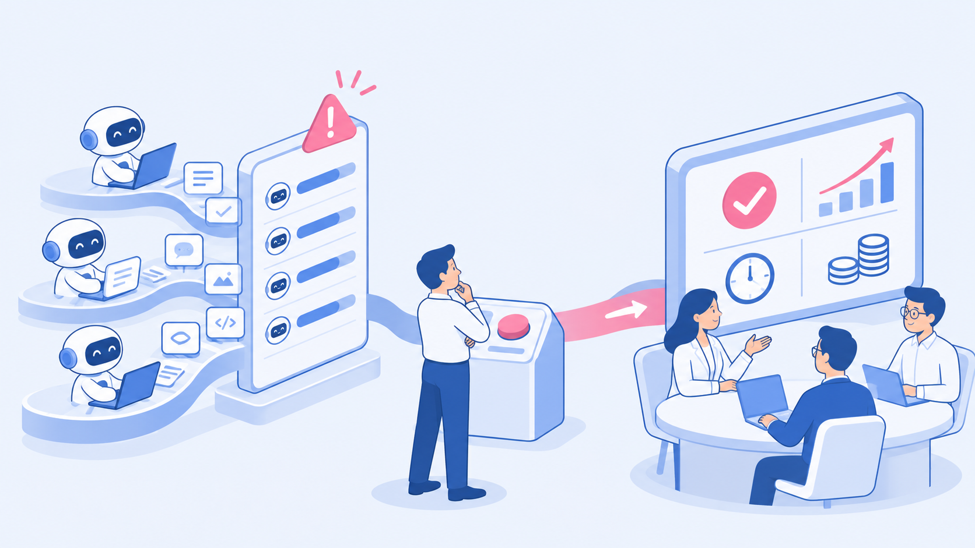
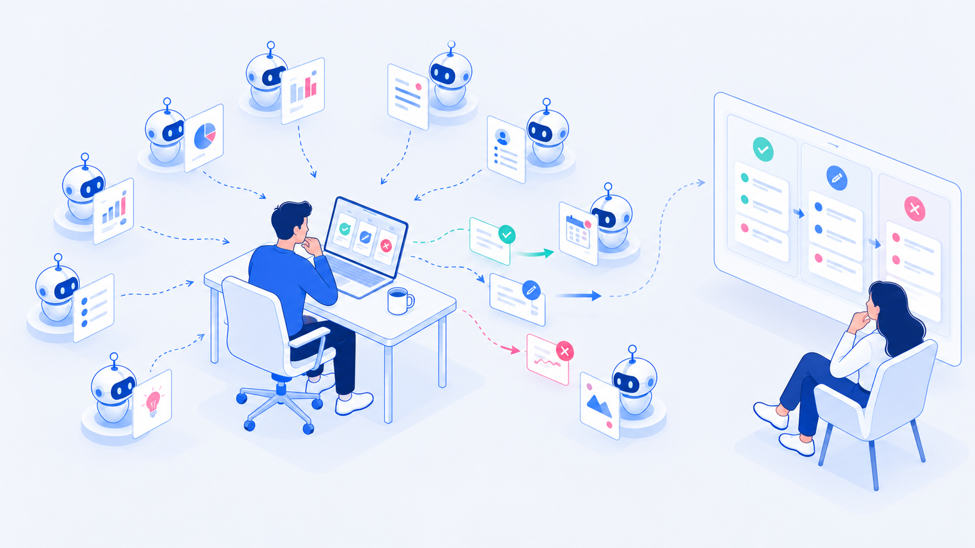
The signature is where responsibility finally lands. Clicking approve takes a second, and the click carries weight only when the person behind it understands what they approve. So how well can a reviewer judge something they did not do themselves?
Take Monday’s proposal agent through all three questions at once. It takes over the drafting and adds context to supply and drafts to check. A person still signs every proposal that goes out, and can judge it well only by knowing your clients and your process.
The launches worth your attention tend to need something only your team holds, such as your client history, workflows and hard-earned judgement. Every competitor can read the same announcement, so that knowledge is the one part of a launch they cannot copy.
Try the three questions with your team today, even before anyone uses an AI tool. Wherever the announcement cannot answer one, such as what your largest client expects in a proposal, you have found knowledge your team must supply. What does your team know that no vendor can ship in a launch?
With Twimbit X, we build tools that help teams expand what they're capable of, not just how fast they move. The goal is to expand what your team can credibly handle. If this sparked an idea, let’s explore it together. Reach out to see how Twimbit X can help your team raise its own ceiling.
Book a call