.svg)

Twimbit X
The Setup Tax Your Team Pays Every Morning
September 3, 2026

.svg)
.svg)


Join 6000+ industry executives who trust us.
Join 6000+ industry executives who trust us.

Varnika Goel


Last week's biggest agent deployments all share one design choice. Each started work already holding the material a person would otherwise spend an hour digging up.

On 26 August, Salesforce and Anthropic announced Claudeforce, making Claude the default model across Slack and the default reasoning engine inside Agentforce.
Salesforce says its own Slackbot has produced 8.1 million hours of annualised productivity gains, more than doubling quarter over quarter.
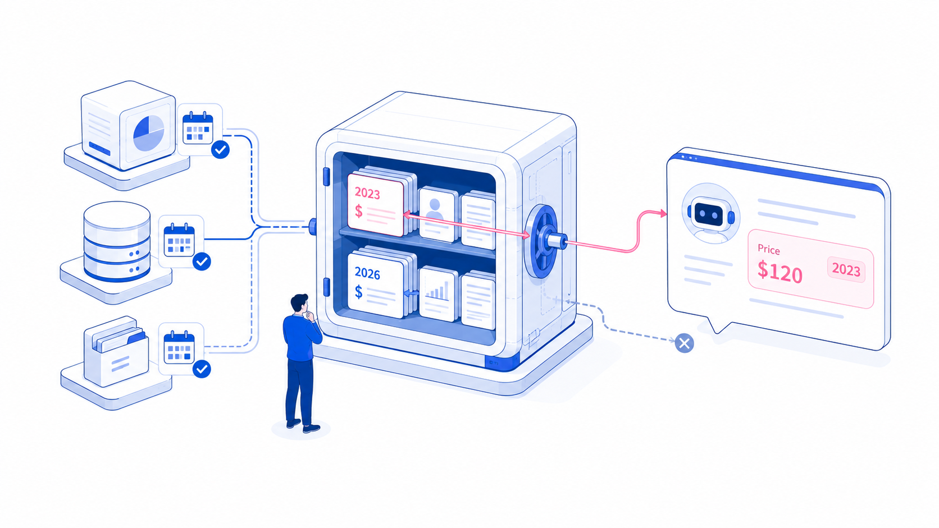
Hours like that accumulate in the setup tax almost every task carries: finding the last version, re-reading the account history, pulling the numbers together before the thinking starts.
An agent that arrives holding that material skips the tax, while an empty one makes your team pay it twice.
DBS offers the clearest version of this. The bank put agentic AI in front of 1,500 corporate bankers worldwide, covering more than 70 credit tasks, and it is targeting a 30% cut in the time needed to prepare a credit memo.
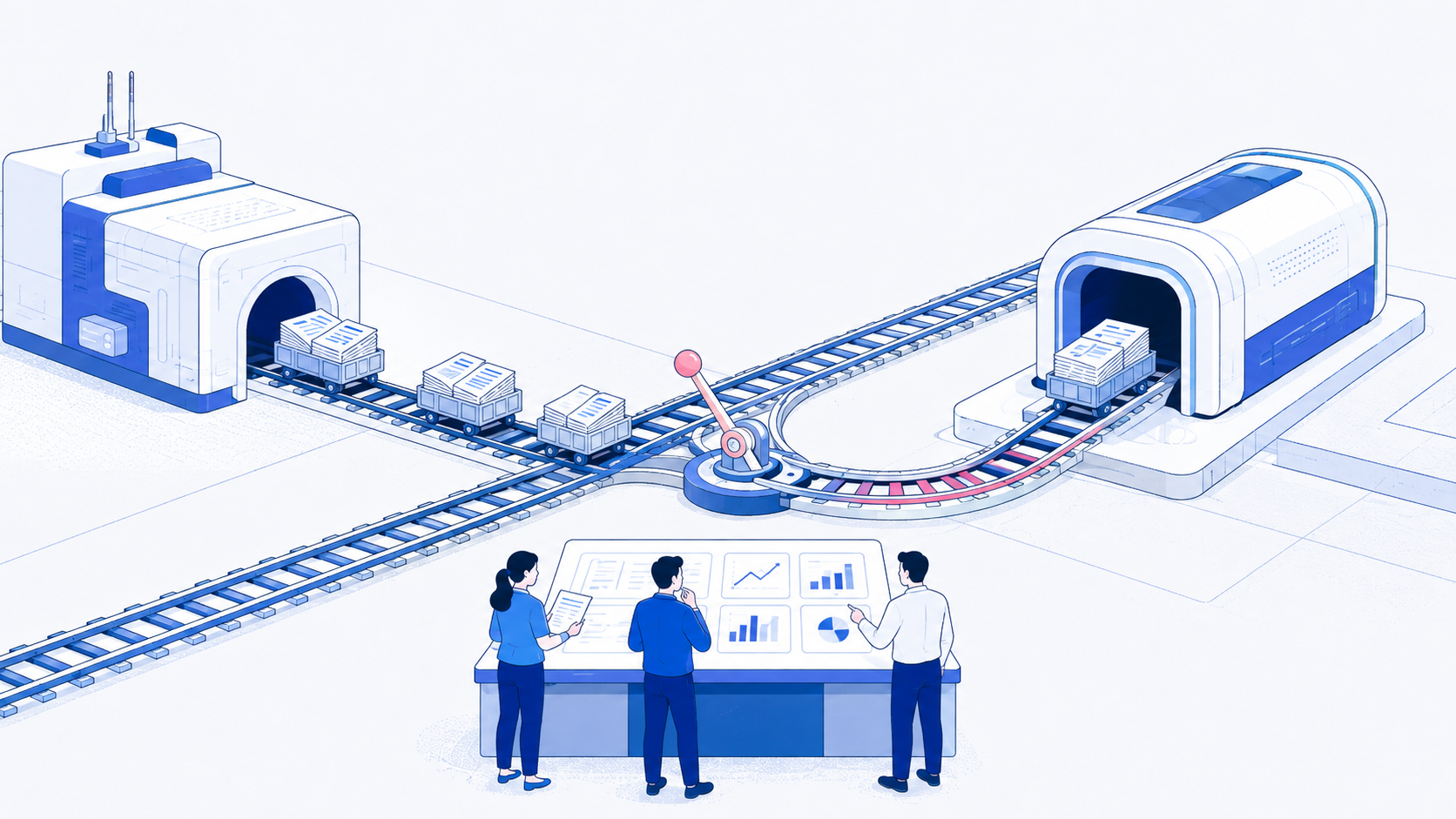
A credit memo is a research job long before it becomes a writing job. The agent earns its 30% by holding the financials, the covenants, and every prior memo in view at once, which is precisely what a banker used to assemble by hand.
DBS picked a task people repeat constantly, drawing on inputs you can name in advance. That profile is worth copying, and it explains why so many pilots stall: a capable agent pointed at scattered inputs burns its first move hunting for them.
Every team has its own credit memo: work that looks like writing and runs mostly on retrieval.
Yours might be the QBR pack, the competitive one-pager, or the monthly campaign retro. Start with whichever one has inputs your people can name without hunting, and ask them which they would trust an agent to prepare.
That kind of task repays an agent fastest, because the gathering is the expensive part and it only has to happen once.
With Twimbit X, we build tools that help teams expand what they're capable of, not just how fast they move. The goal is to expand what your team can credibly handle. If this sparked an idea, let’s explore it together. Reach out to see how Twimbit X can help your team raise its own ceiling.
Book a call
.svg)





.svg)
