.svg)

Twimbit X
No Humans in the Room but the Deal Closed
July 30, 2026

.svg)
.svg)


Join 6000+ industry executives who trust us.
Join 6000+ industry executives who trust us.

William Kiong Wai Lun


One AI agent sold the ad space. Another bought it. Humans set the boundaries in advance, then stepped back while their agents closed the deal on their own.
Broadsign, a media platform, just ran the first fully agentic out-of-home (OOH) advertising campaign on record. Its sell-side AI agent and Draft Digital's buy-side agent planned, booked, and executed an entire billboard campaign together, handling targeting, venue selection, creative approvals, and activation end to end. Human oversight stayed in the loop, but not as someone approving each step. It took the form of rules set before the campaign ran: boundaries the agents operated inside, decided in advance rather than enforced in real time.
The bigger shift is what that makes possible for channels like this one. Billboards and transit screens have always moved slower than digital: planned weeks out, bought by hand, measured after the fact. Put an AI agent on both sides of a non-digital deal, and it plans, buys, and activates at the same speed and precision as any programmatic display. Outdoor just started moving at digital's pace.

This pattern is already infrastructure.
Amazon Web Services, built with Coinbase and Stripe, launched Bedrock AgentCore Payments this year, letting AI agents pay other agents directly, governed by spending limits set in advance, not approved per transaction. Broadsign and Draft Digital built on the pattern this infrastructure was designed for.
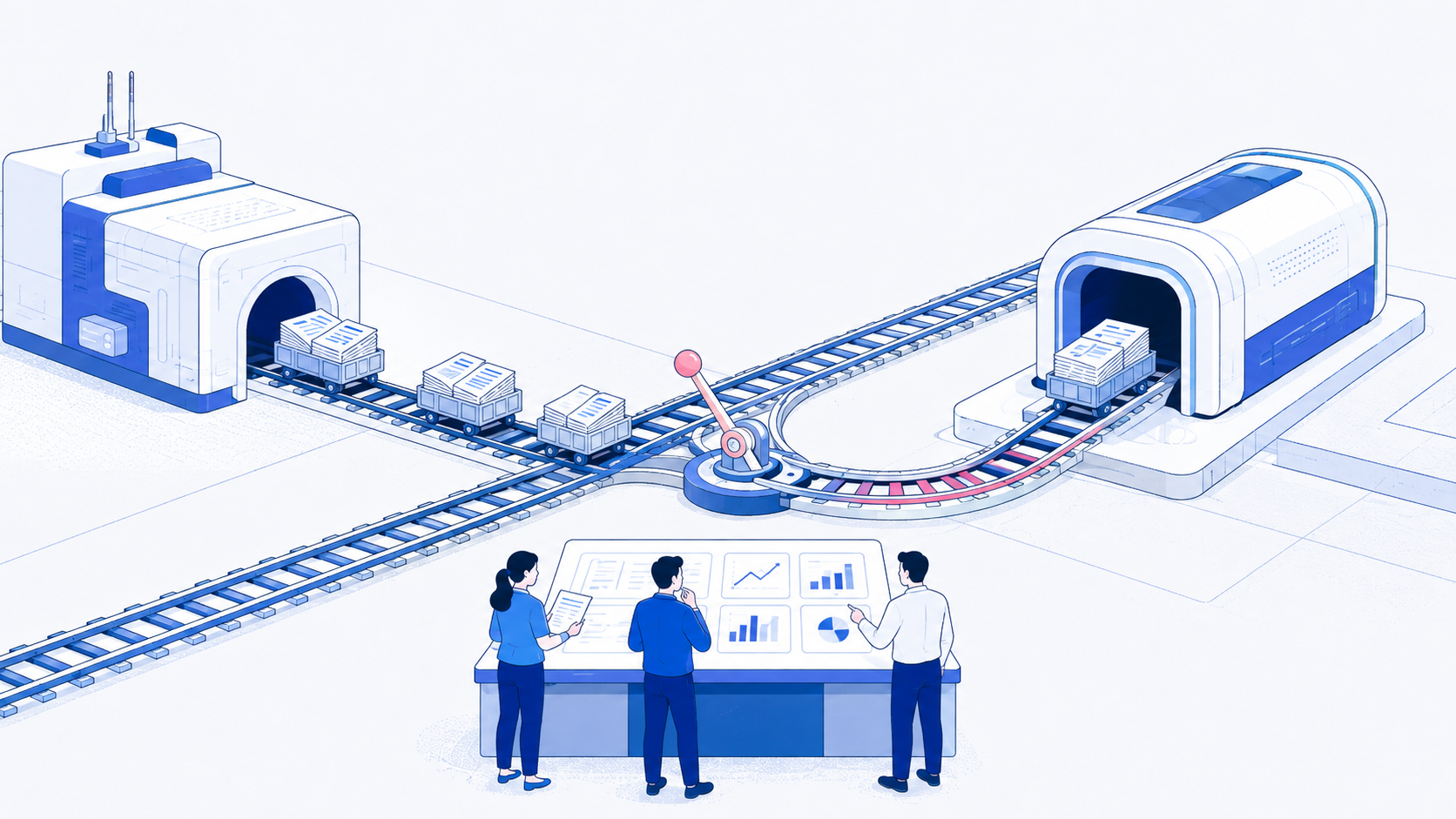
Here's the real shift: the work is moving from running the transaction to designing the rules it runs inside. Someone still decides what an agent can commit to and answers for it when things go wrong. That job doesn't disappear; it moves up the supply chain into the brief, the budget cap, and the escalation path written before the agent acts.
One agentic deal already happened, run inside rules set before it started, not gated during it. The infrastructure to do it again already exists. What's rare today usually doesn't stay that way for long.
For marketing, the brief now sets the boundary: brand voice, spend limits, approval thresholds, written in before the campaign runs.
For sales, the same discipline applies to any partner already touching a deal. An agent negotiating a media buy isn't so different from one qualifying a lead or pricing a renewal. What was it allowed to decide alone, and who set that boundary?
Neither team needs more agents this quarter. Both need clearer rules for the ones already running.
With Twimbit X, we build tools that help teams expand what they're capable of, not just how fast they move. The goal is to expand what your team can credibly handle. If this sparked an idea, let’s explore it together. Reach out to see how Twimbit X can help your team raise its own ceiling.
Book a call
.svg)





.svg)
