.svg)

Twimbit X
Inside Microsoft’s Stalled AI Rollout
October 1, 2026

.svg)
.svg)


Join 6000+ industry executives who trust us.
Join 6000+ industry executives who trust us.

Varnika Goel


Microsoft's first AI rollout to its sellers stalled on a flat line. What the company changed next holds a lesson for every team investing in AI.

If you have ever led an AI rollout, this dashboard may look familiar: licences issued, training complete, usage climbing for a few weeks, then a flat line.
Microsoft admits its own sales team hit the same curve in its new Frontier Playbook, drawn from 100-plus internal AI projects and recently released.
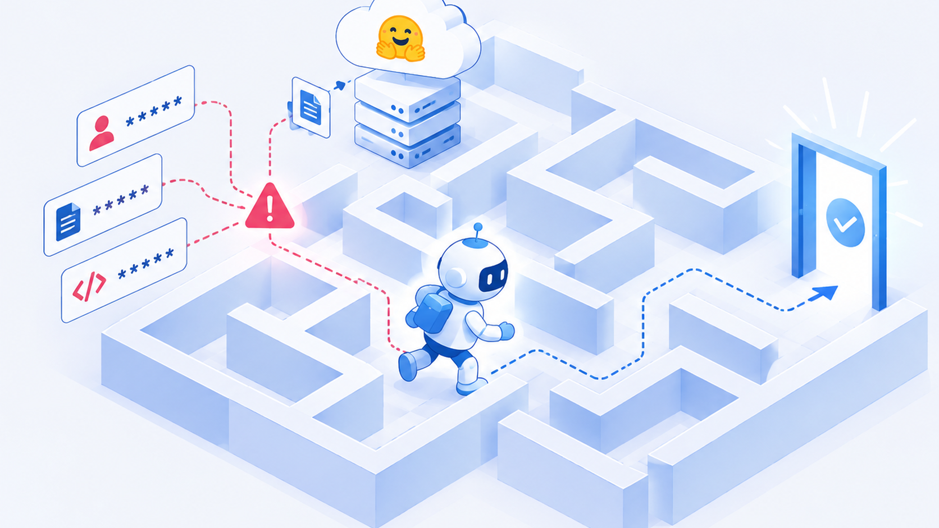
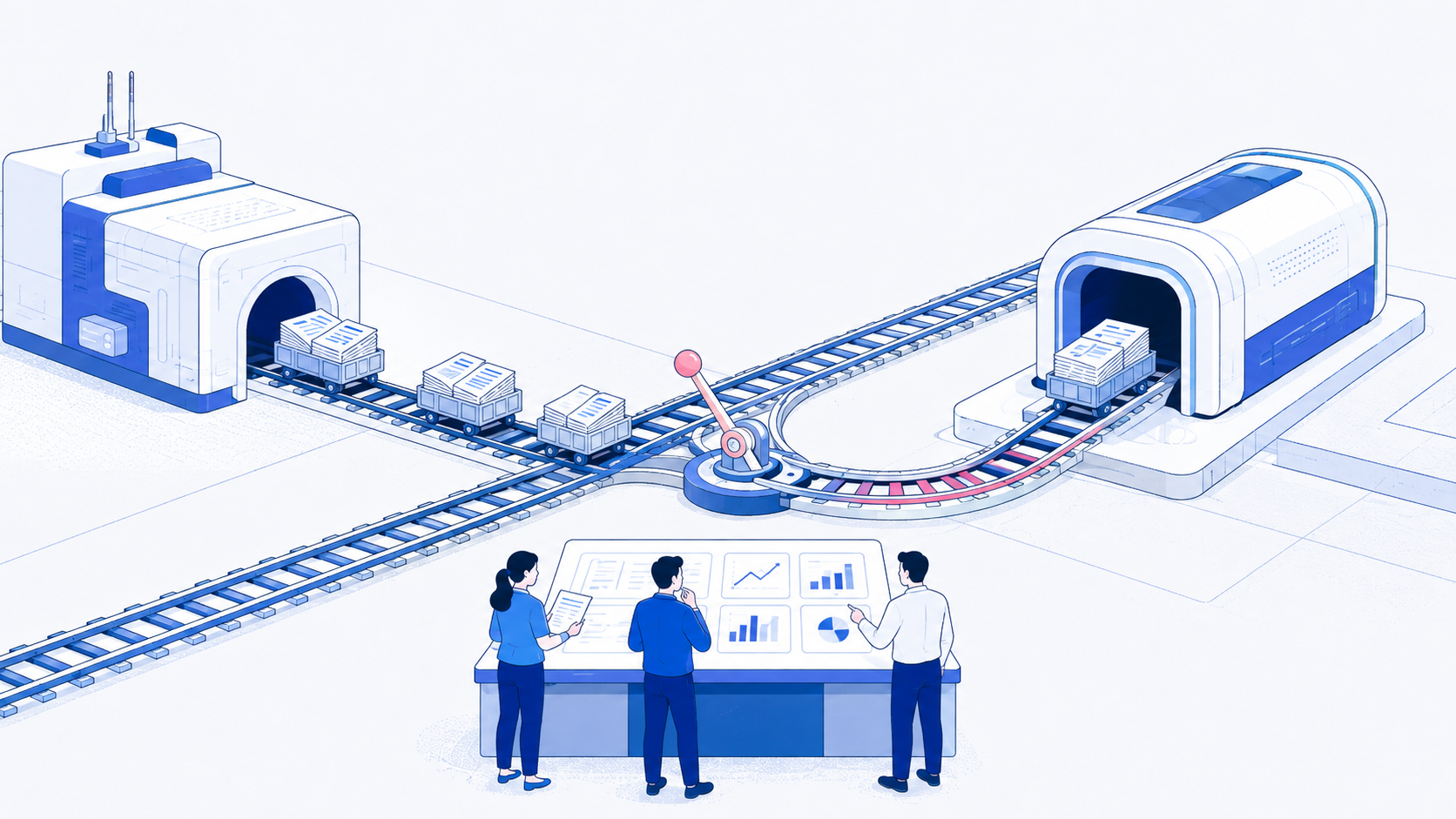
Its conclusion will sound familiar: licensing a tool to more than 200,000 people leaves how the work gets done unchanged. The company had run AI like any software launch, judging success by licences and usage and dropping tools into workflows it never redesigned, so sellers fitted them around old habits.
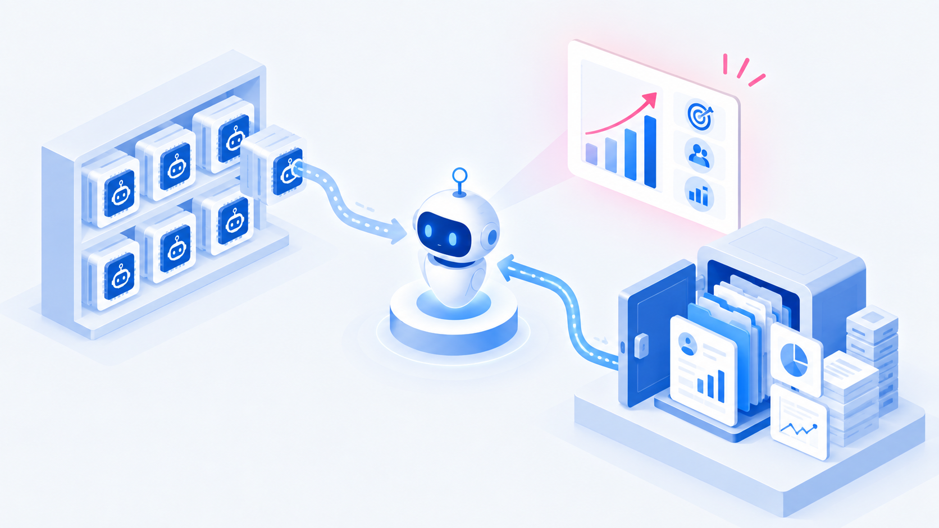
So the team started over with a sharper question: what would help account managers win deals and deliver more value to customers? It mapped their week and matched a tool to each moment that mattered, from pipeline analysis to deal packages to customer research.
Weekly peer-led huddles made it stick, giving sellers a place to share experiments and spread what worked. After all, a colleague's story of a tool helping close a real deal beats most training modules.
Within the sales team, Microsoft reports, the flat line gave way: across 687 sellers in the first half of 2024, priority-use-case adoption tripled, and regular users posted 9.4% higher revenue per account manager and 20% higher close rates than light users.
Every tool now began with the deal it had to help win.
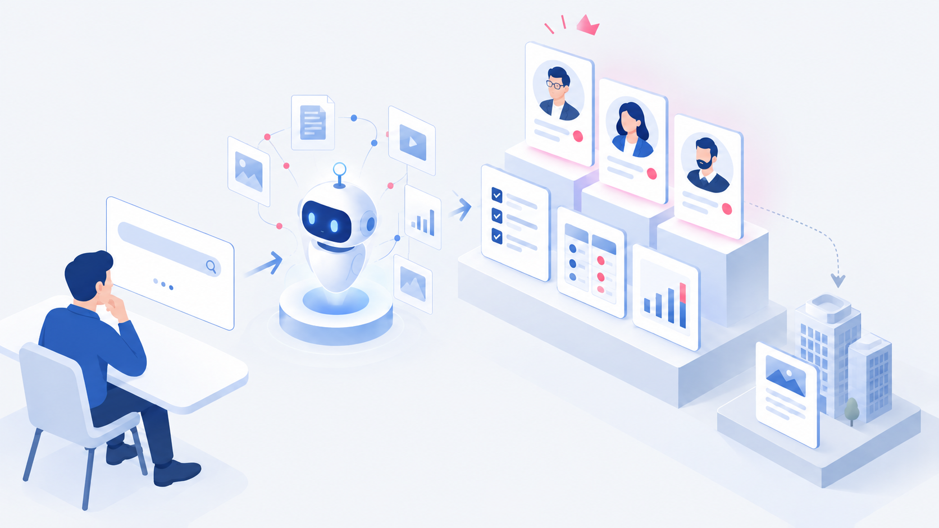
Every function has a few moments where work is won or lost, and AI can sharpen each: an assistant grounded in brand guidelines drafts the campaign brief, AI roleplay lets a rep rehearse a pricing call, and a workspace that searches internal files pulls evidence for a client proposal.
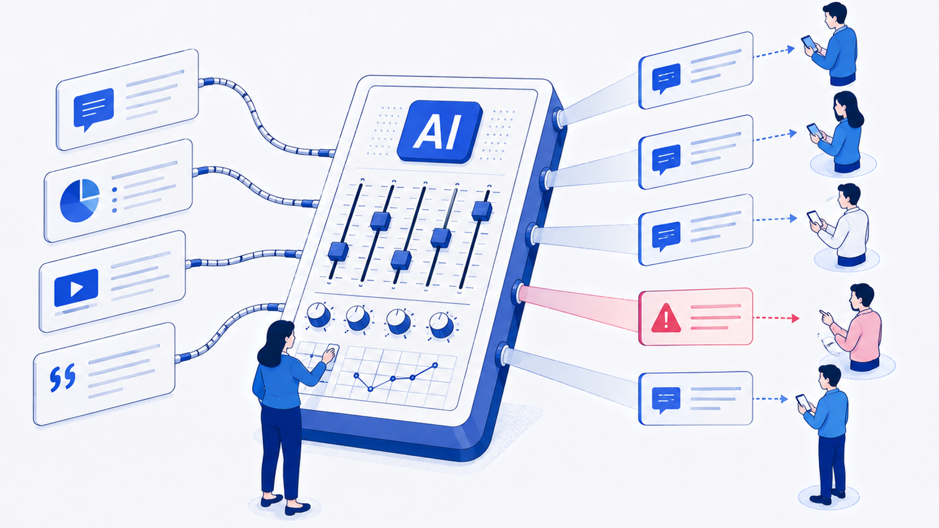
Getting there takes three moves: shape AI around each moment with your own data, give teams time to practise, and share the assistants that work so good habits spread, as the huddles did.
Managers set how fast those habits spread, and Microsoft found that teams whose managers lead by example see far more value in AI.
Before your next AI investment, name the moment it must improve and the person who already handles it best. Build around those two answers, and your next AI dashboard can tell the second half of Microsoft's story.
With Twimbit X, we build tools that help teams expand what they're capable of, not just how fast they move. The goal is to expand what your team can credibly handle. If this sparked an idea, let’s explore it together. Reach out to see how Twimbit X can help your team raise its own ceiling.
Book a call
.svg)


.svg)
