.svg)

Twimbit X
Marketing Attribution 3.0: The Multi-Agent Revolution
January 8, 2026

.svg)
.svg)


Join 6000+ industry executives who trust us.
Join 6000+ industry executives who trust us.

William Kiong Wai Lun


Get ahead of the curve: why multi-agent attribution could be the next big thing in marketing analytics.
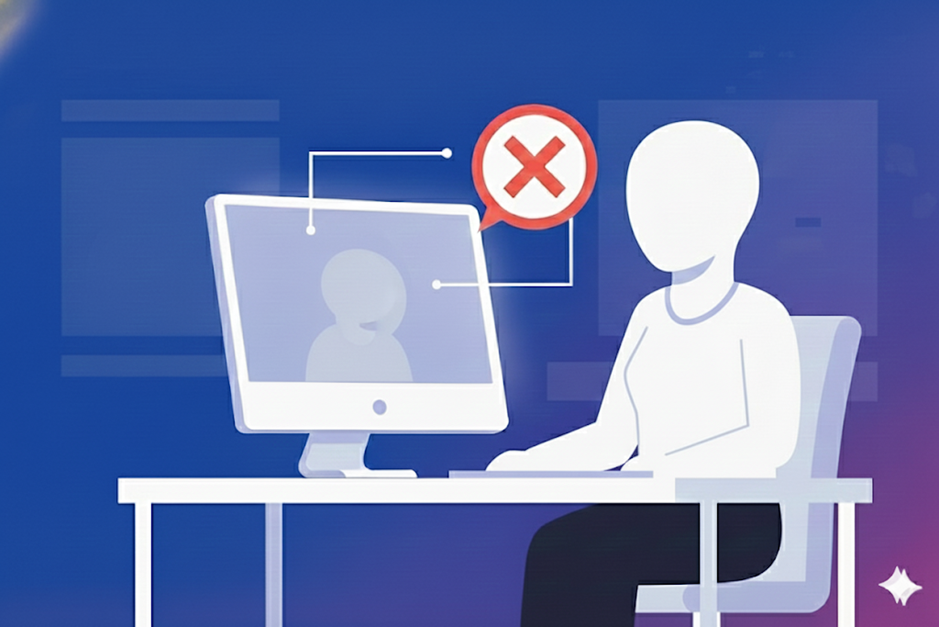
Let’s be real: crediting only the last click is like handing a trophy to the closing argument while ignoring all the evidence that actually won the case. Today’s customers bounce from TikTok to email to Google before buying. Yet most attribution models watch this journey like a Netflix series with half the episodes missing — we see touchpoint A, jump to conversion Z, and guess the rest.
The damage? Up to 40% of marketing budget misallocation. While we're stuck with Attribution 2.0's fragmented data, Attribution 3.0 is brewing. Leading platforms are already advancing multi-touch attribution, using data science to map complete journeys. But the real leap — multi-agent attribution — is entering the spotlight, promising a future where every channel’s contribution is finally seen and valued.
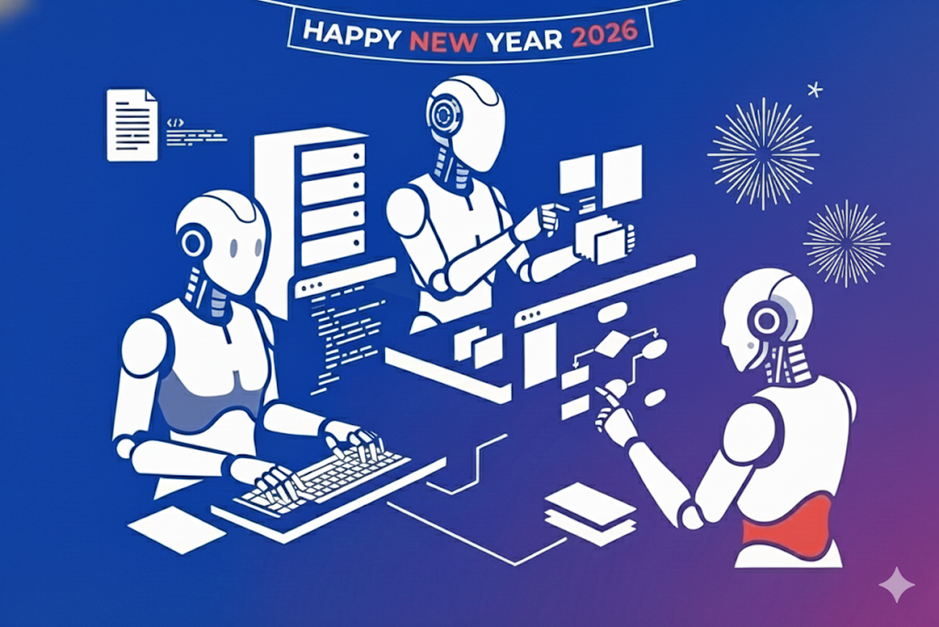
AI agents are learning to work together, and it’s about to change everything. Instead of a single algorithm, these specialised agents collaborate in real-time, piecing together every clue — from ad clicks to social shares.
Consider Microsoft’s new Showroom Ads which transforms shopping into interactive, AI-powered conversations. Instead of static product pages, customers can ask questions like "Is this laptop good for video editing?" and get personalised responses. Behind this experience, multiple agents collaborate: one fetches product specifications, another analyses your questions, while a third curates relevant reviews from across the web. This same collaborative principle revolutionises attribution: specialised agents monitor different touchpoints then share insights to map complete customer journeys.
Consider Jane: she saw your Instagram ad in September 2025, clicked a Google ad in November, joined your webinar in December, and finally purchased on mobile this week. Traditional models would credit just the mobile purchase. Attribution 3.0, gives appropriate weight to each touchpoint.
The result? These systems break down data silos and analyse millions of touchpoints simultaneously, delivering a more accurate, nuanced picture of what’s actually driving conversions.
So, what does multi-agent attribution mean for the future of marketing?
Dynamic budget allocation becomes reality. Instead of quarterly planning sessions where you guess which channels work best, multi-agent systems adjust spend in real-time — shifting budgets to the channels delivering results today, not last month.
Privacy-first measurement is built in. With cookies gone, these systems leverage first-party data and behavioural patterns to maintain accuracy, while respecting user privacy.
Real-time decision-making becomes the norm. Teams can pivot campaigns, refine messaging, and experiment with new channels on the fly —responding to changes in customer behaviour as they happen.
The bottom line: Attribution 3.0 transforms measurement into a self-optimising ecosystem. These agents don’t just report on the past — they predict and adapt, giving you a true intelligence edge.
With Twimbit X, we build tools that help teams expand what they're capable of, not just how fast they move. The goal is to expand what your team can credibly handle. If this sparked an idea, let’s explore it together. Reach out to see how Twimbit X can help your team raise its own ceiling.
Book a call

.svg)

.svg)
